
The Chesapeake inmate search system helps users check inmate records, custody status, arrest details, and jail roster data for people held in local detention facilities. A Chesapeake jail inmate locator can display booking dates, criminal charges, bond amounts, inmate identification numbers, housing unit details, and release updates connected to current jail records. Many public jail databases include searchable prisoner lookup tools that help users locate inmates by full name, arrest information, or booking number. Chesapeake jail records may contain detention status updates, pending court details, and transfer information linked to local correctional facilities and law enforcement records.
The Chesapeake jail roster database gives fast prisoner lookup results for family searches, legal record checks, and public inmate searches connected to active custody cases. Many users search Chesapeake jail records to confirm arrests, review inmate custody information, track detention status, or locate inmates inside the Chesapeake correctional system. Public inmate locator systems can contain arrest reports, felony charges, misdemeanor records, booking photos, bail details, and scheduled release data tied to criminal case activity. Chesapeake inmate search records often help users verify whether an inmate remains in custody, has been transferred to another facility, or has completed the booking process after an arrest.
What Is the Chesapeake Inmate Search System?
The Chesapeake inmate search system is a public jail database that helps people check an inmate’s incarceration status in Chesapeake, Virginia. It allows users to find basic custody details, booking data, housing location, and release information through official correctional records. The system supports public transparency and helps families, legal contacts, and community members confirm whether a person is currently held in custody. Many people use this detainee lookup VA tool to verify jail records without visiting a correctional facility in person.
The inmate locator system is usually managed by local correctional agencies or sheriff’s offices. In Chesapeake, inmate records are commonly maintained by the city jail or law enforcement departments responsible for detention operations. These agencies update the jail database as new bookings, transfers, court appearances, or releases happen.
How the Chesapeake Inmate Locator Works
A standard inmate locator allows users to search by:
- Full name
- Booking number
- Date of birth
- Arrest date
- Custody status
Search results often show limited public data connected to a detainee’s correctional records. This may include:
| Record Type | Example Information |
|---|---|
| Booking Details | Arrest date and charges |
| Incarceration Status | Active custody or release |
| Housing Data | Jail unit or location |
| Bond Information | Bail amount or status |
| Court References | Hearing dates or case links |
Many jail systems update records daily, so custody details can change within a short period. Public databases exist to support transparency in local detention systems and help reduce confusion about inmate status.
Difference Between Inmate Search and Criminal Records
An inmate lookup is different from a criminal history search. The Chesapeake inmate search system mainly focuses on current detention information inside a jail facility. Criminal records often contain broader court and law enforcement history.
For example:
- Inmate lookup: Current jail custody details
- Criminal records: Past arrests, court cases, convictions, and sentencing history
A detainee may appear in a jail database without having a final conviction. Some people remain in custody while awaiting court hearings or bond decisions.
How to Search for an Inmate in Chesapeake
A Chesapeake jail roster search helps people find current inmate records, booking info, and custody records through online jail databases. Most prisoner lookup tools allow searches by name, inmate identification number, or custody status within minutes. Many Virginia detention centers keep public inmate database records that include jail intake records, incarceration details, housing location, and arrest dates. These systems help families, attorneys, and employers confirm detention records and inmate status quickly.
What Information Is Available in the Chesapeake Inmate Lookup?
The official Chesapeake inmate lookup portal allows users to search for current inmates using basic details such as first name, last name, booking information, or subject number. After completing a search, https://inmatelookup.cityofchesapeake.net/NewWorld.InmateInquiry/VA1030100, the system may display inmate records that include booking dates, criminal charges, bond amounts, scheduled court dates, mugshots when available, and current housing or custody status. The portal is publicly accessible and operated through the Chesapeake jail management system.
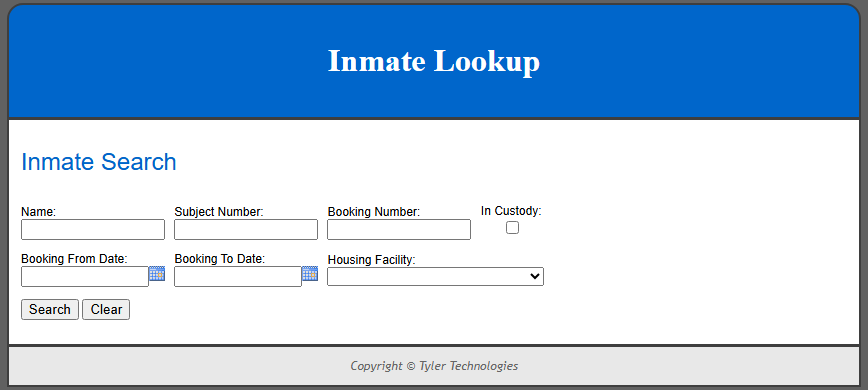
You can use it to search current inmates by:
- First name
- Last name
- Booking information
- Subject number
The portal also shows details such as:
- Booking date
- Charges
- Bond amount
- Court dates
- Mugshots/photos (when available)
- Housing and custody status
The site is operated through the Chesapeake jail management system and is publicly accessible.
Search by Booking Number
A booking number search gives more accurate results than a name search. Each inmate identification number connects directly to one inmate record inside the jail database. This method works well for attorneys, bail bond agents, and family members who already have booking info from court paperwork or arrest reports.
Many Virginia detention records systems allow direct inmate lookup through:
- Booking number
- Inmate ID
- Case number
- Arrest tracking number
A booking number search reduces errors caused by similar names. It can help people find inmate custody records faster, especially in larger jail systems.
Some Chesapeake detention records pages include extra incarceration details linked to the inmate identification number, including:
- Mugshot records
- Court appearance dates
- Transfer status
- Facility location
- Visitation eligibility
If the inmate record does not appear, the jail may still be processing intake paperwork or transferring records between facilities.
Search by Custody Status
Custody status searches help users check whether a person remains in jail, has been transferred, or has been released. Many jail roster Chesapeake systems categorize inmates by current detention status.
Custody categories include:
- In custody
- Released
- Transferred
- Awaiting trial
- Serving sentence
- Held without bond
This type of prisoner lookup helps families confirm where an inmate is located before calling the jail. It can reduce confusion after transfers between Chesapeake facilities and other Virginia detention centers.
Chesapeake Jail Record Details Found in Inmate Profiles
Chesapeake jail records often include key booking info about a person held in custody. These records may show arrest information, charges, bond details, detention status, housing unit data, and possible release dates. A typical inmate profile gives a quick look at a person’s current custody record. Many jail records list details collected during the booking process after an arrest. This information helps families, attorneys, and members of the public check detention status and basic jail data.
| Record Type | Details Often Included |
|---|---|
| Booking Info | Booking date, booking number, intake time |
| Arrest Information | Arresting agency, warrant details, arrest reason |
| Booking Charges | Criminal charges, offense level, case status |
| Bond Information | Bond amount, bond type, court-set conditions |
| Custody Status | Active custody, transferred, released |
| Housing Location | Jail unit, pod, cell block |
| Release Date | Scheduled release or projected discharge |
Booking Date
The booking date shows when jail staff officially processed the inmate into custody. This part of the jail records may include the booking time, intake number, and the agency that made the arrest.
Booking info often connects with arrest information from local police or sheriff departments. In many cases, the inmate profile lists:
- Date and time of arrest
- Booking timestamp
- Intake or inmate ID number
- Fingerprint and photo record status
- Arrest location
A recent booking date may mean the inmate still waits for a court appearance or bond review. Some detention systems update this data several times each day.
Charges Filed
The charges section explains why the inmate entered custody. Booking charges may include misdemeanors, felonies, probation violations, or warrant-related offenses.
Each charge normally appears with a short legal description. Jail records may show:
- Charge classification
- Court case number
- Arrest statute or code section
- Pending court status
- Hold requests from other agencies
Some inmate profile pages list multiple charges from one arrest event. Charge data can change after court hearings or prosecutor review.
Bond Information
Bond information explains whether the inmate can leave custody before trial. Courts or magistrates usually set the bond amount after booking.
Bond details include:
- Cash bond
- Surety bond
- Personal recognizance release
- Bond denied status
The jail record may display the total bond amount and payment conditions. In some cases, detention status remains active until bond payment clears through the court system.
Custody Status
Custody status shows whether the inmate remains in jail, has transferred, or has been released. This section gives quick updates about detention status inside the correctional system.
Possible custody labels may include:
- Active inmate
- Released inmate
- Federal hold
- Medical housing
- Court transport
- Transfer pending
Many jail records update custody status daily. Temporary movement between housing units may appear in the inmate profile as well.
Housing Location
Housing location data identifies where the inmate stays inside the facility. This booking info helps attorneys and approved contacts locate the inmate during confinement.
Housing records may include:
| Housing Detail | Example |
|---|---|
| Cell Block | Block C |
| Pod Number | Pod 4 |
| Security Level | Medium Custody |
| Unit Assignment | Intake Housing |
Housing assignments may change after classification reviews, behavior reports, or medical checks.
Jail Custody Status and Detention Classification
Incarceration status shows where a person is held and what stage of detention they are in within the jail system. Custody status explains the level of supervision and legal control placed on the inmate at that moment. Together, both terms help describe movement, housing, and control inside correctional facilities.
What Custody Status Means in Jail Records
Custody status reflects how correctional staff classify a person inside a detention system. It shows if the person remains in correctional custody, awaits court action, or moves through different detention phases.
Custody status often includes:
- Pre-trial detention for pending court cases
- Sentenced to custody after conviction
- Hold status for transfers or outside agency requests
- Temporary intake status during booking processing
Detention classification plays a key role in placement. Staff assigns inmates to inmate housing based on risk level, behavior, and legal situation. This system controls jail supervision levels and reduces security risks inside the facility.
Temporary vs Permanent Custody in Detention Systems
Temporary custody applies during early booking, court transfer periods, or short-term holds. Permanent custody reflects a longer-term placement after sentencing or confirmed detention orders.
| Custody Type | Meaning | Typical Situation |
|---|---|---|
| Temporary custody | Short-term holding phase | Booking, transfer processing |
| Permanent custody | Long-term detention after court decision | Sentenced incarceration |
Temporary custody often includes frequent inmate movement between intake, court transport, and holding cells. Permanent custody places inmates into assigned housing units for longer durations.
Classification, Transfers, and Release Processing
Detention classification systems evaluate behavior, charges, and risk factors. This classification decides housing level, work assignments, and supervision intensity.
Inmate movement occurs when:
- Court hearings require transport
- Security level changes after review
- Transfer requests come from other facilities
Release processing starts once legal requirements are met. Staff verifies identity, paperwork, and release orders before discharge. Some inmates transfer to state or federal custody instead of immediate release, depending on case status and jurisdiction.
Chesapeake Jail Roster
The jail roster for Chesapeake is a daily record that lists people held in local detention facilities. It shows basic inmate listings and current jail population details for public reference. This record helps readers review detention logs and offender records linked with individuals held in custody. It changes often as bookings and releases occur throughout the day.
What the Chesapeake Jail Roster Includes
The Chesapeake jail roster contains structured data about individuals in custody. It focuses on basic identification and booking details rather than full case files.
Items shown in inmate listings:
- Full name of the detainee
- Booking date and time
- Charges filed at intake
- Bond or bail status
- Housing location inside the facility
- Arresting agency details
These records reflect jail population changes in real time or near real time. They help track intake activity and short-term custody status.
Roster Updates and View Limits for Public Use
The jail roster Chesapeake updates frequently as new bookings happen and releases take place. Some systems refresh multiple times per day, while others update on set intervals.
Points about updates and view limits:
- Recent arrests may appear first
- Released individuals may remain listed for a short period
- Minor data delays can occur during shift changes
- Sensitive offender records may show limited details
These factors affect how complete the roster appears at any moment.
Jail Roster vs Inmate Database
The jail roster and inmate database serve different roles in criminal record tracking.
| Feature | Jail Roster | Inmate Database |
|---|---|---|
| Content type | Short-term custody list | Full offender records |
| Update speed | Frequent, daily changes | Broader record updates |
| Detail level | Basic booking info | Case history data |
| Purpose | Current detention status | Long-term record tracking |
The roster focuses on present detention logs, while the inmate database holds deeper historical data tied to court and correction records.
Chesapeake Detainee Lookup and Virginia State Databases
Chesapeake detainee lookup in VA pulls records from both local correctional facilities and statewide systems. A Virginia inmate database connects custody data across cities, counties, and state prisons for broader searches. This combined structure helps track custody records and inmate transfers across different correctional facilities. Search results often vary depending on where a person is held. Local jail systems show current detention status, while state systems show longer-term incarceration records.
Local Jail Databases
Local jail databases in Chesapeake focus on detainees held in city or county facilities. These systems usually list recent bookings, charges, and bond status tied to custody records. Most local correctional facilities update their logs several times per day. This makes them useful for checking short-term detention or recent arrests.
Details found in local jail systems:
- Booking date and time
- Current charge list
- Bond or bail amount
- Facility location
- Release or transfer notes
Local records often change fast due to inmate transfers or court appearances. For this reason, repeated checks may show an updated custody status.
Virginia State Inmate Systems
Virginia state inmate systems track people held in state correctional facilities. These databases support a statewide offender search that includes long-term sentences and parole records. The Virginia Department of Corrections maintains records that connect multiple facilities under one system. This helps identify inmates moved between institutions after sentencing.
Elements in state systems include:
- Offender identification numbers
- Sentence length and status
- Facility assignment history
- Parole or probation updates
- Custody transfer records
State systems often reflect long-term custody trends rather than short-term jail stays. This makes them useful for tracking inmates beyond local detention centers.
Regional Detention Searches
Regional detention searches combine data from nearby jurisdictions around Chesapeake. These searches help when a person may be held outside the city in surrounding counties. Many cases involve inmate transfers between regional correctional facilities. This happens due to space limits, court schedules, or security needs.
Typical regional search coverage:
| Area Type | Records Covered | Purpose |
|---|---|---|
| City jails | Recent bookings | Short-term custody |
| County jails | Local charges | Regional detention |
| State prisons | Sentenced inmates | Long-term incarceration |
Regional searches help connect custody records across multiple systems. This creates a clearer view of detainee movement within Virginia’s correctional network.
Visitation, Communication, and Inmate Support
Visitation, communication, and support options at Chesapeake Jail follow structured detention facility rules that control contact between inmates and outside contacts. Inmate visitation records and approved communication channels help maintain order while keeping contact possible under set jail policies.
Visitation Basics and Visitation Schedules
Visitation at Chesapeake Jail follows fixed visitation schedules set by the facility administration. Visitors must follow inmate contact procedures, including approval checks and identity verification, before any meeting. Inmate visitation records show approved visit status, time slots, and visitor eligibility. Most visits follow time limits and are assigned based on housing units or security level.
Visitation rules include:
- Scheduled time slots are only based on inmate housing assignments
- Valid photo identification required for entry
- Behavior checks during entry and exit
- No prohibited items inside the visitation areas
Visitation may take place as in-person or video-based sessions, depending on detention facility rules. Scheduling changes may occur during holidays or security alerts.
Inmate Communication Methods
Inmate communication at Chesapeake Jail includes phone calls, written mail, and approved electronic messaging where available. Each method follows strict detention facility rules to control safety and monitoring.
Communication options typically include:
| Method | Details | Limits |
|---|---|---|
| Phone calls | Outgoing calls only | Time-restricted |
| Letters processed by jail staff | Content screening applies | |
| Electronic messaging | Digital system (if available) | Credit-based use |
All inmate contact procedures require approved contacts. Incoming calls are not allowed, and messages may be monitored for security reasons.
FAQs About Chesapeake Inmate Search
Chesapeake inmate search services help users check custody status, booking activity, and jail records linked to detained persons. The Chesapeake jail roster database reflects active incarceration records maintained by local detention authorities. These FAQs explain how custody lookup works, what jail records include, and why some names may not appear in results.
How often is the inmate roster updated?
The jail roster Chesapeake updates on a frequent schedule to reflect new bookings and releases. Most records refresh several times within a day, depending on intake volume and system processing speed. However, short delays can still occur after an arrest or transfer. A newly booked person may take some time before appearing in the Chesapeake inmate search system. This timing difference often depends on verification steps carried out at the detention center.
Can inmates be searched by booking number?
Yes, booking number searches are supported in many custody lookup systems. This method provides more accurate results compared to name-based searches. Each booking number is unique and directly linked to one arrest record. It helps reduce confusion when multiple people share similar names. Jail records tied to booking numbers usually display faster and more precise incarceration records.
Are release dates publicly available?
Release dates may appear in Chesapeake inmate search results when they are confirmed by jail staff. Some records show scheduled release based on bail or court decisions. Other cases may display blank fields until final processing is completed. Jail records update release details after administrative confirmation. Custody status changes often reflect these updates in real time or near real time.
Why is an inmate missing from the database?
An inmate may not appear in the Chesapeake jail roster for several operational reasons. Recent arrests may still be processing in intake before listing. Transfers to state or federal facilities can also remove names from local records. In some cases, system updates may cause temporary delays in showing incarceration records. Juvenile or sealed cases are also excluded from public jail records databases.
What information appears in jail records?
Jail records in Chesapeake inmate search systems typically show key booking and custody details. These include full name, booking date, and assigned booking number. Charges, bond information, and custody status are also displayed when available. Some records may include release notes or transfer updates. These details help users confirm incarceration records linked to a specific individual.