
The Chesapeake case search helps users find court records and check ongoing case activity in Chesapeake, Virginia. It supports direct review of court case lookup, Chesapeake results, and current case status VA updates. This system organizes official judicial case information from Virginia courts in one structured place. Users can view filings, hearing dates, and case progress linked to civil, criminal, and traffic matters.
The Chesapeake case search system works within the Virginia court structure, covering General District Court and Circuit Court records. Each court records case details separately, yet the search system brings key data together for easier review. It supports tracking of hearings, filings, and case movement across different stages. Many users rely on it for fast verification of public case updates. It also helps confirm record status without direct courthouse contact.
What is Chesapeake Case Search?
Chesapeake Case Search is a system used to find court case records in Chesapeake, Virginia. It allows users to review details from criminal, civil, and traffic matters through a structured case finder system. This system works as a legal case database that organizes court proceedings into searchable records. It supports quick review of filings, hearing updates, and docket information through a centralized format.
Chesapeake court case lookup process
The Chesapeake court case lookup system works through a digital record setup that connects users with case information stored in Virginia courts. It acts as a case finder system where each case is listed with a unique identifier for tracking court activity. Users can review information pulled from the docket search of Virginia records, which reflect scheduled hearings, filings, and case movements.
The system commonly displays:
- Case number and filing date
- Party names involved in the case
- Court location and division
- Hearing dates and case status
- Basic court proceedings history
This structure helps organize court activity into clear records within a legal case database. It supports both recent and older filings stored in the Chesapeake court system.
Case types in the Chesapeake records system
The Chesapeake case search platform includes multiple categories of court records. Each category reflects a different area of law handled by the court system.
Common case types include:
- Criminal cases – arrests, charges, sentencing records
- Civil cases – property disputes, contract issues, financial claims
- Traffic cases – violations, fines, driving-related offenses
| Case Type | Focus Area | Record Content |
|---|---|---|
| Criminal | Law violations | Charges, sentencing, court hearings |
| Civil | Disputes | Claims, property matters, judgments |
| Traffic | Road violations | Tickets, fines, driving records |
Each category forms part of the broader Chesapeake court case lookup system, helping users locate structured legal case database entries tied to court proceedings in Virginia.
How to Search a Court Case in Chesapeake
A Chesapeake case search lets a person check court records tied to civil, criminal, or traffic matters in Chesapeake courts. The court case lookup Chesapeake process works through an official online portal that displays case details and status. This process helps users confirm filing details, hearing dates, and current case progress through a structured digital record system.
Identify Case Type in Chesapeake Case Search
The first step in any Chesapeake case search involves selecting the correct case category. Courts in Chesapeake organize records into different types for clear record management. This step supports accurate results inside the case finder tool used in the system.
Case categories include:
- Civil cases, such as disputes, contracts, and property matters
- Criminal cases involving charges filed by the state
- Traffic cases linked to violations or citations
- Family cases, including custody or support matters
Each category connects to a separate record set inside the case tracking system. Selecting the wrong type may return unrelated results or incomplete data.
Case identifiers also matter at this stage. Users may search using:
- Full party name
- Case number
- Filing year
This preparation step improves accuracy during the court case lookup Chesapeake process. It also reduces irrelevant results from older or unrelated filings.
Use the Virginia OCIS Portal for Case Lookup
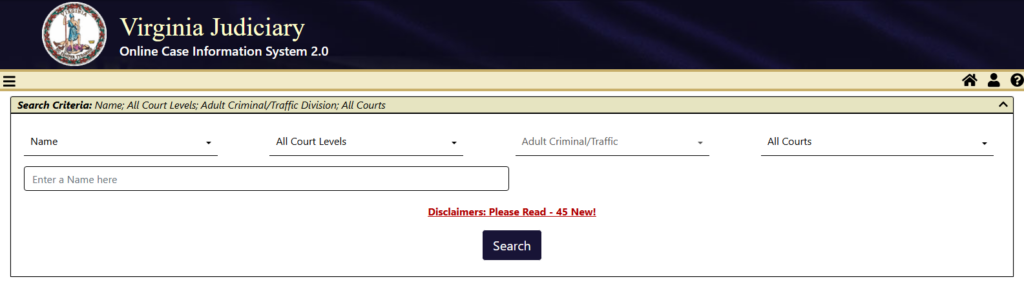
The Virginia Online Case Information System (OCIS) serves as an official https://eapps.courts.state.va.us/ocis/search statewide portal for checking court records linked to Chesapeake cases. It allows users to perform a court case lookup in Chesapeake by entering a case number, party name, or hearing details. The system works as a central case tracking system, showing case status, filings, and scheduled hearings in real time.
What to Add in That Section
The Virginia Online Case Information System (OCIS) works as a statewide case search platform for public court records. It helps users perform a court case lookup in Chesapeake by entering a name, case number, or hearing date.
Users can follow these steps:
- Open the OCIS landing page
- Select search type (name, case number, or hearing date)
- Enter correct details (spelling must match court records)
- View case results showing status and hearings
This system works as a case tracking system and updates records based on court entries. It may also show hearing status check details like upcoming court dates, case charges, and defendant information.
Enter Case Details and View Results
After selecting the case type and opening the portal, the next step involves entering search details. The system processes this input and returns matching records.
Search inputs include:
- Party name (first and last name format)
- Case number assigned by the court
- Filing date or approximate year
Once entered, the system displays a list of matching records. Each record includes a summary panel with key information.
Case Result Table Example
| Field | Information Displayed |
|---|---|
| Case Number | Unique court identifier |
| Case Type | Civil, criminal, or traffic |
| Filing Date | Date case was registered |
| Status | Active, closed, or pending |
| Next Hearing | Scheduled court date |
The case finder tool helps sort results when multiple records match the same name. Users can open each record to view detailed filings and hearing history.
Virginia Court Case Status Types and What They Indicate
Case status in Virginia courts shows whether a matter is active, closed, pending, or dismissed within the judicial system. It helps users track the current stage of a case in Virginia courts, including updates tied to hearings and filings. Each status reflects a different point in the court process and affects what happens next in a case. In cities like Chesapeake, case records follow the same statewide tracking system for consistency.
Active vs Closed Case Status in Virginia Courts: case status VA
Active cases remain open in the court system and may still involve scheduled hearings, motions, or filings. These cases show ongoing activity in court proceedings and can change as new updates are entered into the system. Closed cases indicate that the court has completed its work on the matter. This may happen after a final judgment, settlement, or completion of sentencing in criminal matters.
Differences include:
- Active cases
- Hearings may still be scheduled
- Parties can submit motions or evidence
- Case details may change with new filings
- Closed cases
- No further court dates are set
- Final decision has been entered
- Records remain for legal history
In many case records, case status VA labels help separate ongoing matters from completed ones. This distinction supports accurate court case lookup and helps users interpret judicial case info without confusion.
Pending Hearings and Court Proceedings Update
Pending cases refer to matters waiting for the next court action. This stage often involves scheduled hearings, pre-trial motions, or review dates set by the court clerk. A pending status does not mean inactivity. It signals that the case is moving through scheduled steps in the legal process.
Indicators in pending records include:
- Upcoming hearing status dates
- Motion review schedules
- Evidence submission deadlines
- Judge assignment updates
Court proceedings update entries often appear when a hearing is rescheduled, completed, or continued. These updates help track how far a case has progressed and what remains before a final decision.
Dismissed Cases and Judicial Case Info
Dismissed cases are removed from active court review before a final judgment is issued. This may occur due to a lack of evidence, procedural issues, or an agreement between parties. Even after dismissal, the record remains part of the official judicial database as part of judicial case info.
| Case Status | Meaning in Court Record |
|---|---|
| Active | Case still in progress |
| Pending | Case ended without a ruling |
| Closed | Final decision entered |
| Dismissed | The case ended without a ruling |
Dismissed entries still appear in case lookup results, helping users review the full case history. These records contribute to a complete picture of court activity within Virginia’s judicial system.
Types of Court Cases You Can Search
Chesapeake court case lookup allows public users to review different categories of court records through a structured court system. These records are stored in a centralized legal case database supported by the court docket system. Each case type follows a different process and record format within Virginia courts. The search system organizes records so users can view case status, filings, and hearing activity across multiple categories. This includes criminal, civil, traffic, and family-related matters recorded in Chesapeake courts.
Criminal cases
Criminal cases involve charges filed by the state against a person or group. These records often include arrests, indictments, court hearings, and final rulings. Through a Chesapeake court case lookup, users may find details such as offense type, bond details, and sentencing outcomes.
Criminal records include:
- Misdemeanor charges like petty theft or simple assault
- Felony cases involving serious offenses
- Court hearing dates and disposition records
These entries are listed in the legal case database and updated through the court docket system as hearings progress.
Civil cases
Civil cases involve disputes between two parties that do not involve criminal charges. These may include property issues, contract disagreements, or personal injury claims. Court records in this category focus on claims, responses, and judgments.
Typical civil records include:
- Small claims disputes
- Landlord and tenant disagreements
- Contract enforcement cases
Each filing appears in the Chesapeake court system with scheduled hearings and case status updates. The docket system tracks motions, filings, and final rulings for each matter.
Traffic cases
Traffic cases include violations related to road safety laws. These are commonly filed after citations or traffic stops within Chesapeake city limits. Users often review these records to check fines, penalties, or court dates.
Traffic case types:
- Speeding violations
- DUI and reckless driving charges
- Parking and equipment violations
These records are maintained in the legal case database and linked to individual driver citations.
Family law cases
Family law cases focus on personal and domestic matters handled by the court. These records often remain sensitive but still appear in structured case listings.
Family-related cases include:
- Divorce filings and settlements
- Child custody and support orders
- Adoption proceedings
Through the Chesapeake court case lookup, case status and hearing updates can be reviewed as they move through the docket system.
How Courts Operate in Chesapeake, Virginia
Chesapeake Court System operates within the Virginia state judicial framework and handles different case types across several court levels. Each court follows the court hierarchy Virginia uses for civil, criminal, and family matters. The judicial system structure in Virginia separates cases based on severity, subject matter, and age of the parties involved. In Chesapeake, courts work together to process traffic offenses, criminal charges, civil disputes, and family-related cases. This structure helps assign cases to the correct level for fair review and proper legal handling.
Virginia Judicial System Structure in Chesapeake
The Virginia court system is organized in layers, and Chesapeake follows this statewide model. Each level has a specific role in handling legal matters. Cases move through different courts based on type and legal requirements.
Roles in the system include:
- Case sorting by severity and type
- Separate handling for civil, criminal, and family matters
- Different authority levels across courts
- Clear appeal pathways within the court hierarchy of Virginia
This structure supports organized case processing and helps maintain consistency across Virginia courts.
Circuit Court Role in Chesapeake
The Circuit Court serves as the highest trial court level in Chesapeake. It handles serious criminal cases, major civil disputes, and appeals from lower courts.
Main functions include:
- Felony criminal cases
- Civil cases with higher claim amounts
- Family matters like divorce and custody
- Appeals from General District Court cases
This court also manages jury trials and maintains official case records. It plays a key role in the broader Virginia court system structure.
General District Court Functions
The General District Court manages everyday legal matters in Chesapeake. It handles cases that do not require jury trials.
Case types include:
- Traffic violations
- Misdemeanor offenses
- Small civil claims
- Preliminary hearings for felony cases
This court operates as the first contact point for many legal issues in the city. It processes a high volume of cases daily within the judicial system structure.
Juvenile Court
The Juvenile Court focuses on cases involving minors under 18. It handles both criminal and family-related matters involving youth.
Responsibilities include:
- Juvenile delinquency cases
- Child custody and support matters
- Cases involving neglect or supervision needs
- Rehabilitation-focused hearings
This court works with a protective approach, aiming to support rehabilitation and long-term outcomes for minors within Chesapeake.
Common Mistakes When Searching Cases
Many users face problems during the Chesapeake case search when records do not appear or show incorrect details. Most case tracking issues come from missing identifiers, spelling mismatches, and slow system updates.
Missing Case Numbers and Name Spelling Issues
Missing case numbers often stop records from appearing in Virginia court database searches. Small spelling differences in party names create similar problems. Case tracking issues appear when the entered data does not match official court system records. Court database errors may come from manual entry mistakes or outdated indexing. Users may see partial results or no results at all.
Common input problems include:
- Incorrect spelling of first or last names
- Missing middle initials or suffixes
- Wrong or incomplete case number format
- Outdated or legacy case entries in older records
Name variations, such as nicknames or abbreviations, create extra confusion in automated matching systems. Some records exist under older formatting, which does not align with current search fields. These mismatches reduce accuracy across different county systems and lead to inconsistent results during case lookup attempts.
FAQs About Chesapeake Case Search
Chesapeake case search helps users check court case details like filings, hearing dates, and case status updates. It pulls information from public court records in the Virginia court system. The system supports quick review of basic legal database access details for different case types.
How to find the case number in the Chesapeake case search
A case number can be located through party name search, ticket details, or court notice references. Chesapeake case search matches records stored in the Virginia court database and shows results linked to each filing. Each case number stays unique and remains the main identifier for tracking case status and VA updates. Users can locate a case number using different sources, such as court letters, hearing schedules, or prior case documents. It is also possible to narrow results using date filters or court type selection. Once matched, the case number appears with full public court records details.
Can the case be searched by name?
Yes, the Chesapeake case search supports name-based search for many records. Users can enter first and last names to find matching entries from the legal database access system. This method helps locate cases without needing a case number. Search results depend on spelling accuracy and available record details. Public court records may show multiple matches for common names, so filters help refine results. Adding middle initials or date ranges improves accuracy when checking case status VA updates.
Are court records public in Chesapeake?
Most court records in Chesapeake are public court records under Virginia law. These records include case filings, hearing schedules, and outcomes unless restricted by court order. The system shares basic legal information for transparency in the court process. Some records remain confidential, such as juvenile or sealed cases. These do not appear in the Chesapeake case search system. Publicly available data helps users track case status and VA information through the legal database access platform.
How often is Chesapeake’s case data updated?
Chesapeake case search data is updated based on court activity and processing schedules. New filings, hearing results, and case status VA changes are added regularly to the Virginia court database. Updates reflect recent actions taken by the court. Most records update within one to three business days after processing. Some active cases may show quicker updates depending on the court workload. This schedule keeps public court records aligned with ongoing legal database access changes.
Can old cases still be found in the Chesapeake case search?
Yes, older cases can still appear in the Chesapeake case search if they remain stored in the Virginia court database. Many resolved matters stay part of public court records for reference and verification purposes. Users may still find closed or archived cases by entering a name or case number. Filters such as date range or case type help narrow results in legal database access systems. Case status VA labels usually show whether a record is active, closed, or dismissed, which helps users understand older case outcomes clearly.