
The Chesapeake DUI court handles cases where a driver is accused of operating a vehicle under the influence of alcohol or drugs in Chesapeake, Virginia. DUI in Virginia refers to driving with a blood alcohol level of 0.08% or higher, or any level of impairment caused by drugs or controlled substances. These cases fall under criminal traffic law and move through the Chesapeake DUI court system, where judges review evidence, conduct hearings, and decide penalties linked to DUI charges in Chesapeake, VA. Outcomes may include fines, license restrictions, probation, alcohol education programs, or jail, depending on case details and prior record.
After an arrest, two separate systems may act on the case at the same time: the court process and DMV actions. The drunk driving court focuses on guilt, evidence review, and sentencing, while the Virginia DMV handles driving privileges, such as suspension or reinstatement requirements. This separation means a driver can face court penalties even if DMV actions are still pending. Both systems impact long-term driving status, insurance rates, and legal record history in Virginia.
What Is a DUI Case in Chesapeake Court?
A DUI case in Chesapeake Court refers to a legal matter where a driver is charged with operating a vehicle while under the influence of alcohol or drugs. These cases fall under impaired driving laws in Virginia and carry serious penalties if proven in court. DUI charges in Chesapeake, VA, focus on whether a driver’s alcohol level or drug use affected safe driving ability at the time of arrest.
Definition of DUI and Impaired Driving in Chesapeake Court
A DUI, short for Driving Under the Influence, refers to operating a motor vehicle while impaired by alcohol, drugs, or a mix of both. In Chesapeake Court, impaired driving cases are treated as violations of Virginia traffic and criminal laws. The state sets a legal intoxication limit at 0.08% Blood Alcohol Concentration (BAC) for drivers aged 21 and older. A BAC at or above this level creates legal intoxication status, even if the driver feels capable of driving.
Impairment may be proven through:
- Breath or blood test results
- Field sobriety test performance
- Officer observations of behavior
- Driving pattern before stop
Impaired driving does not depend only on alcohol. Prescription medication, marijuana, or illegal drugs can also trigger DUI charges in Chesapeake, VA, cases if driving ability is affected.
Types of DUI Charges in Virginia Courts
DUI cases in Chesapeake may involve different charge types based on substance use and case details. The court reviews alcohol influence, drug involvement, and prior record.
DUI charge categories:
| Type of DUI Charge | Description |
|---|---|
| Alcohol DUI | Driving under the influence of prescription, illegal, or recreational drugs |
| Drug DUI | Driving under prescription, illegal, or recreational drugs |
| Combined DUI | Alcohol and drugs present in the system |
Penalties depend on severity, prior offenses, and level of impairment.
Misdemeanor vs Felony DUI Classification
Virginia law separates DUI cases into misdemeanor and felony levels based on repeat offenses and harm caused. A first or second DUI offense is usually treated as a misdemeanor. These cases may involve fines, license suspension, and possible jail time.
A felony DUI applies in serious situations, such as:
- Third DUI offense within 10 years
- DUI causing serious injury
- DUI causing death
Felony DUI cases carry longer jail sentences and stronger long-term legal consequences. Courts evaluate each case based on alcohol influence, driving behavior, and prior record before assigning final charges.
How DUI Cases Enter the Chesapeake Court System
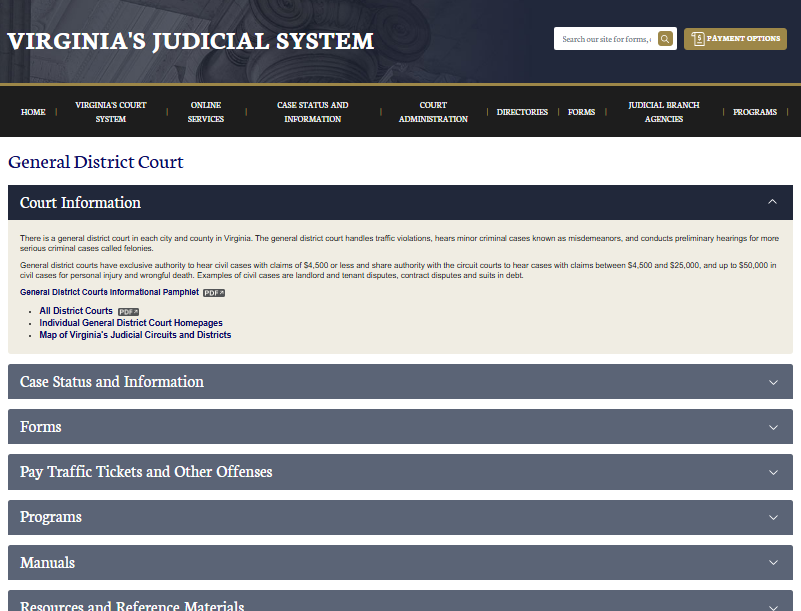
DUI cases enter the Chesapeake court system after a traffic stop leads to arrest and booking by law enforcement. The case then moves into formal paperwork steps that place it into the drunk driving court https://www.courts.state.va.us/courts/gd/home for review and scheduling. From that point, the matter shifts from roadside enforcement to structured court processing under Virginia law.
Traffic Stop and DUI Arrest Chesapeake, VA Process
A DUI arrest in Chesapeake, VA, usually begins with a routine traffic stop. Police officers observe driving behavior that may suggest impairment.
Triggers include:
- Swerving or unsafe lane changes
- Speed irregularities
- Delayed reaction to signals
- Odor of alcohol or visible impairment signs
Officers may conduct field sobriety checks and a breath test. If impairment indicators remain strong, an arrest process begins at the scene.
Booking Procedure and Legal Complaint Filing
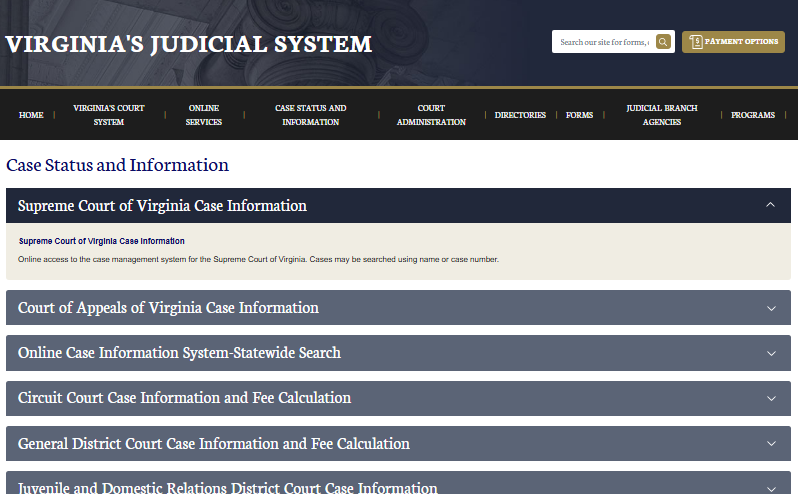
After arrest, the individual enters the booking procedure at a local detention facility https://www.courts.state.va.us/caseinfo/home. This step creates an official record of the event.
Booking typically includes:
- Fingerprinting and identification records
- Mugshot photography
- Confiscation of personal property
- Entry into jail and arrest databases
Next, law enforcement prepares an incident report. This report moves to prosecutors for review.
Roles at this stage:
| Party | Role |
|---|---|
| Police | File legal complaint and a formal charge |
| Jail staff | Handle booking procedure and detention records |
| Prosecutor | File a legal complaint and a formal charge |
Court Filing and Initial Court Scheduling in Drunk Driving Court
Once the complaint is filed, the case enters the court filing stage. The court assigns a case number and places it into the drunk driving court system. The first hearing is scheduled, often within weeks of arrest. This stage sets the timeline for all future proceedings.
Typical early court steps include:
- Case registration in court records
- Assignment of hearing date
- Notice sent to the accused
- Initial appearance scheduled
At the first court date, charges are formally read. The judge reviews bail conditions and the next procedural steps.
Steps: Chesapeake DUI Court Process
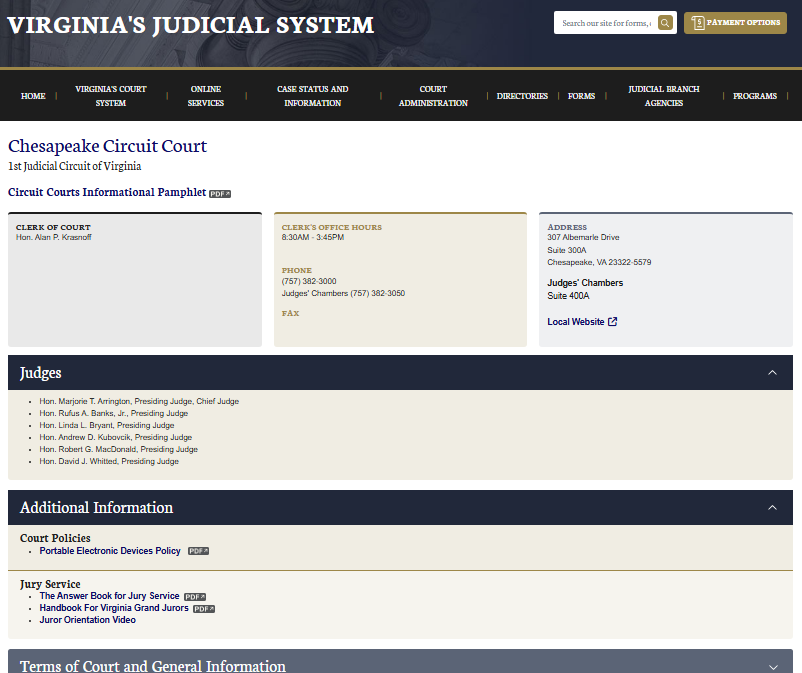
A Chesapeake DUI case moves through several court stages after an arrest, starting with arraignment and ending with sentencing. Each step in the Chesapeake DUI court process affects the case outcome and https://www.vacourts.gov/courts/circuit/chesapeake/home possible penalties under Virginia law. The court hearing the VA DUI process follows structured court proceedings where evidence, legal arguments, and sentencing factors are reviewed in order.
First Court Appearance
The arraignment marks the first appearance in a Chesapeake DUI court case. The accused hears the formal charges filed by the Commonwealth.
At this stage, the judge reads the DUI charge, which may include:
- Driving under the influence of alcohol or drugs
- High BAC allegations (0.08% or above)
- Refusal of breath or blood test, if present
The accused responds through a plea option:
- Guilty plea
- Not guilty plea
- No contest plea (in limited cases)
A defense attorney often reviews the charge sheet and explains possible outcomes linked to each plea. Bail conditions or release terms may also be set during this hearing. The arraignment sets the direction for all upcoming court proceedings.
Pre-Trial Hearings
Pre-trial hearings focus on case preparation and legal strategy before the trial begins. This stage plays a major role in shaping the court hearing VA DUI outcome.
Both sides exchange evidence, including:
- Police arrest reports
- Bodycam or dashcam footage
- BAC test results
- Officer statements
Defense attorneys examine weaknesses in the prosecution’s evidence. Common review points include:
- Accuracy of breathalyzer results
- Proper stop procedures
- Field sobriety test conditions
During this stage, plea negotiations may occur between defense counsel and prosecutors. A legal defense strategy may aim for reduced charges or dismissal based on evidence gaps. Some cases end here through plea agreements without moving to trial.
Trial Stage
If no agreement is reached, the case moves to trial. A Chesapeake DUI trial may be heard by a judge or jury, depending on the case type.
The prosecution must prove guilt beyond a reasonable doubt. They present evidence such as:
- BAC readings from breath or blood tests
- Arresting officer testimony
- Observations of driving behavior
- Field sobriety test results
The defense challenges this evidence by questioning:
- Testing accuracy
- Officer conduct during arrest
- Possible medical or environmental factors
The judge or jury reviews all testimony and evidence before reaching a verdict. Trial outcomes depend heavily on how strong or weak the prosecution’s court proceedings presentation appears during cross-examination.
Sentencing Phase
A guilty verdict leads to sentencing, where penalties are determined under Virginia DUI laws. The judge reviews case facts, prior record, and BAC level before issuing punishment.
DUI sentencing elements include:
- Jail time or a suspended sentence
- Monetary fines and court costs
- Driver’s license suspension
- Alcohol education or treatment programs
Probation conditions may also apply, such as:
- Regular check-ins with a probation officer
- Ignition interlock device installation
- Alcohol abstinence monitoring
Virginia DUI sentencing follows structured penalty ranges. First-time offenses usually carry lighter penalties compared to repeat offenses or high BAC cases. The final sentence depends on the case details presented during the trial and the prior criminal history.
DUI Penalties in Chesapeake, Virginia
Courts in Chesapeake, Virginia, impose strict court penalties for DUI charges in Chesapeake VA, that may include fines, jail time, probation, and license loss. The outcome depends on blood alcohol level, prior traffic conviction history, and case details reviewed in court.
Court Penalties for DUI Charges Chesapeake, VA
Chesapeake courts treat DUI as a serious traffic conviction under Virginia law. A first offense can lead to fines, court supervision, and required alcohol education programs. In many cases, judges review BAC levels and driving behavior before sentencing. Higher BAC levels often increase punishment severity.
Court penalties include:
- Fines: $250 up to $2,500 for first offense DUI charges in Chesapeake, VA
- Court costs: Administrative fees added to sentencing
- Jail time: Up to 12 months for a first DUI conviction
- Probation rules: Regular check-ins and behavior monitoring
- Alcohol safety programs: Mandatory education or treatment classes
In many DUI charges in Chesapeake, VA, cases, sentencing also includes restricted driving terms and strict compliance rules. Missing court conditions can lead to added penalties or extended probation.
Jail Time and Repeat DUI Penalties in Chesapeake, VA
Jail time increases sharply for repeat DUI offenses. Virginia law sets stronger punishments for second and third traffic conviction cases involving alcohol. A second DUI within 5 to 10 years often brings mandatory jail time, even if the BAC is lower than in the first case. Courts treat repeat offenses as a higher risk to public safety.
Typical patterns include:
- First DUI offense: Up to 12 months in jail, sometimes no time served
- Second offense: 10 days to 1 year jail, with a mandatory minimum time
- Third offense: Felony level punishment, longer incarceration
- Higher fines: Up to $2,500 or more in repeat cases
- Stricter probation: Longer supervision and stricter reporting rules
Legal sentencing focuses on behavior history and risk level. Repeat convictions often lead to longer probation and reduced driving privileges for extended periods.
DMV License Suspension and Ignition Interlock Rules
Virginia DMV penalties apply separately from court sentencing. A DUI conviction usually triggers automatic license suspension.
DMV actions in DUI charges in Chesapeake, VA, cases include:
- First offense suspension: 12 months license suspension
- Second offense: Up to 3 years suspension period
- Restricted driving eligibility: Limited driving allowed after initial suspension
- Ignition interlock device: Required before full driving restoration
The ignition interlock device prevents a vehicle from starting if alcohol is detected on breath. Courts and DMV often require installation for months after license reinstatement.
BAC Charges and Evidence in DUI Cases
BAC charges in DUI cases rely on alcohol level testing that shows how much alcohol is in a driver’s system. In Chesapeake DUI cases, impaired driving evidence often comes from breath or blood test results combined with officer observations. These results play a major role in BAC charges and help determine intoxication proof in court.
Legal BAC Limit and Alcohol Level Testing
Virginia law sets a legal BAC limit of 0.08% for most drivers. If a driver’s breath or blood shows this level or higher, BAC charges may be filed for DUI.
Alcohol level testing usually comes from two main tools:
- Breathalyzer tests at the roadside or station
- Blood tests taken at medical facilities
Breathalyzer results give quick readings, yet accuracy may shift with device calibration and timing. Blood test reliability is generally higher since lab work uses controlled forensic methods, but chain-of-custody issues can still affect results.
Impaired Driving Evidence and Refusal Consequences
Impaired driving evidence in Chesapeake DUI cases goes beyond BAC results. Officers often combine test data with observed behavior to support BAC charges.
Impaired driving evidence may include:
- Swerving or lane drifting
- Slurred speech and slow responses
- Odor of alcohol in the vehicle
- Poor performance on field tests
Refusal to take a breath or blood test carries separate consequences under Virginia’s implied consent rules. A refusal can lead to penalties even without confirmed BAC results.
License Suspension and DMV Consequences
Driving privileges in Virginia may be suspended after a DUI arrest or DUI conviction. This action can come from a court sentencing or from DMV administrative action linked to alcohol-related charges. License suspension: VA rules separate criminal court penalties from DMV actions. Both can affect driving status and create DUI penalties that limit legal driving.
DMV vs Court Suspension Difference
The court suspension starts after a judge issues a DUI conviction sentence. It relates to punishment for the criminal case. DMV administrative action starts before conviction in some cases. It can trigger after arrest, a failed breath test, or a high BAC reading.
Differences:
- Court suspension: Based on DUI conviction outcome
- DMV action: Based on arrest data and test results
- Timing: DMV action may begin faster than the court process
- Source: Court = criminal system, DMV = driving record system
Both can result in driving privilege loss, and both may overlap in DUI cases.
Temporary License Restrictions
Some drivers may qualify for limited driving rights during suspension. These restrictions allow controlled travel only.
Temporary limits include:
- Travel to work or school
- Medical appointments
- Court-ordered programs
- Ignition interlock device requirement
A restricted license does not restore full driving freedom. It only allows approved routes under strict terms set by DMV administrative action rules.
Reinstatement Process After Suspension
Restoring a license after suspension requires several steps once the penalty period ends.
Typical reinstatement steps:
- Serve full suspension time
- Pay the DMV reinstatement fee
- Complete a DUI safety or alcohol education program
- Submit SR-22 insurance proof if required
- Install the ignition interlock device if ordered
After meeting requirements, DMV reviews eligibility and restores driving status. Completion of all steps supports the return of legal driving privileges under Virginia DUI penalty rules.
First DUI vs Repeat DUI in Chesapeake Court
First DUI charges in Chesapeake, VA, often lead to fines, license suspension, and court-ordered programs handled through Chesapeake Court. A repeat offense brings stricter penalties and may shift the case into felony DUI status, depending on prior convictions and injury factors.
First DUI Penalties in Chesapeake, VA
A first DUI in Chesapeake usually stays in the misdemeanor range under Virginia law. The court focuses on punishment, risk control, and behavior correction after the arrest.
Outcomes for a first offense DUI charges in Chesapeake, VA include:
- Fines: monetary penalties set by the court
- License suspension: up to 12 months
- Jail time: up to 12 months in some cases
- Alcohol Safety Action Program (ASAP): mandatory education
- Ignition interlock device: required in many reinstatement cases
The court also records a criminal record entry, which can affect job checks and insurance rates. Even a first conviction may create long-term impacts on driving status and background screening results.
Repeat DUI and Felony DUI Conditions
A second DUI offense in Chesapeake shows a pattern of repeat offense behavior. Penalties rise sharply, and the court treats the case with higher criminal record severity.
A second DUI conviction often brings:
- Longer jail sentences
- Extended license suspension periods
- Higher fines
- Mandatory ignition interlock for a longer duration
- Stricter probation rules
A DUI may move into felony DUI territory under certain conditions, such as:
| Condition | Impact |
|---|---|
| Third DUI offense | Automatic felony classification in Virginia |
| Serious injury caused | Aggravated DUI charges |
| Death involved | Felony DUI with severe sentencing |
| Prior DUI history | Higher sentencing range |
An aggravated DUI case often carries prison exposure and long-term license loss. Courts also treat repeat DUI charges in Chesapeake, VA, cases as high-risk behavior, which increases supervision after sentencing.
FAQs About Chesapeake DUI Court
A DUI case in Chesapeake DUI court usually begins right after an arrest and moves through structured court steps. The process includes formal charges, hearings, and possible penalties based on the situation. Many people want clarity on arrest outcomes, criminal status, and record duration. These FAQs explain each point in simple terms for better court procedure clarity.
What happens after a DUI arrest in Chesapeake DUI court?
After a DUI arrest, the case enters booking, testing, and court processing under Chesapeake DUI court procedures. Police may take breath or blood samples, then file charges based on the results. The driver is later scheduled for arraignment, where charges are officially read. Pre-trial hearings follow, which may lead to plea deals or trial dates. Penalties can include fines, license suspension, or jail, depending on BAC level and prior offenses.
Is DUI a criminal offense in Chesapeake?
A DUI in Chesapeake is treated as a criminal offense under Virginia law. It is not a simple traffic violation and falls under misdemeanor criminal charges for most first cases. The court may impose jail time, fines, and mandatory alcohol education programs. A conviction also creates a permanent criminal record that can affect background checks. Insurance rates and driving privileges are also impacted after sentencing.
How long DUI stay on the record?
A DUI conviction remains on the Virginia DMV driving record for about 11 years. However, the criminal record can stay much longer and is not automatically removed. This record can affect employment screening, insurance costs, and future court outcomes. Repeat offenses within this period may lead to stronger penalties. Chesapeake DUI court decisions can also influence how long consequences continue to affect the driver.
Can a DUI charge in Chesapeake be reduced or dismissed?
A DUI charge in Chesapeake DUI court may be reduced or dismissed depending on the evidence strength and legal issues in the case. Weak breath test results, improper stop procedures, or rights violations can affect outcomes. In some cases, charges may be reduced to reckless driving, depending on court review. Each case depends on facts, prior record, and test results. Court hearings often decide whether negotiation or trial applies.
What penalties can follow a first DUI in Chesapeake?
A first DUI in Chesapeake DUI court can lead to fines, license suspension, and mandatory education programs. Jail time may apply in higher BAC cases or if aggravating factors exist. Courts may also require ignition interlock installation on the vehicle. Insurance premiums often increase after a conviction. These penalties aim to reduce repeat offenses and promote safer driving behavior.